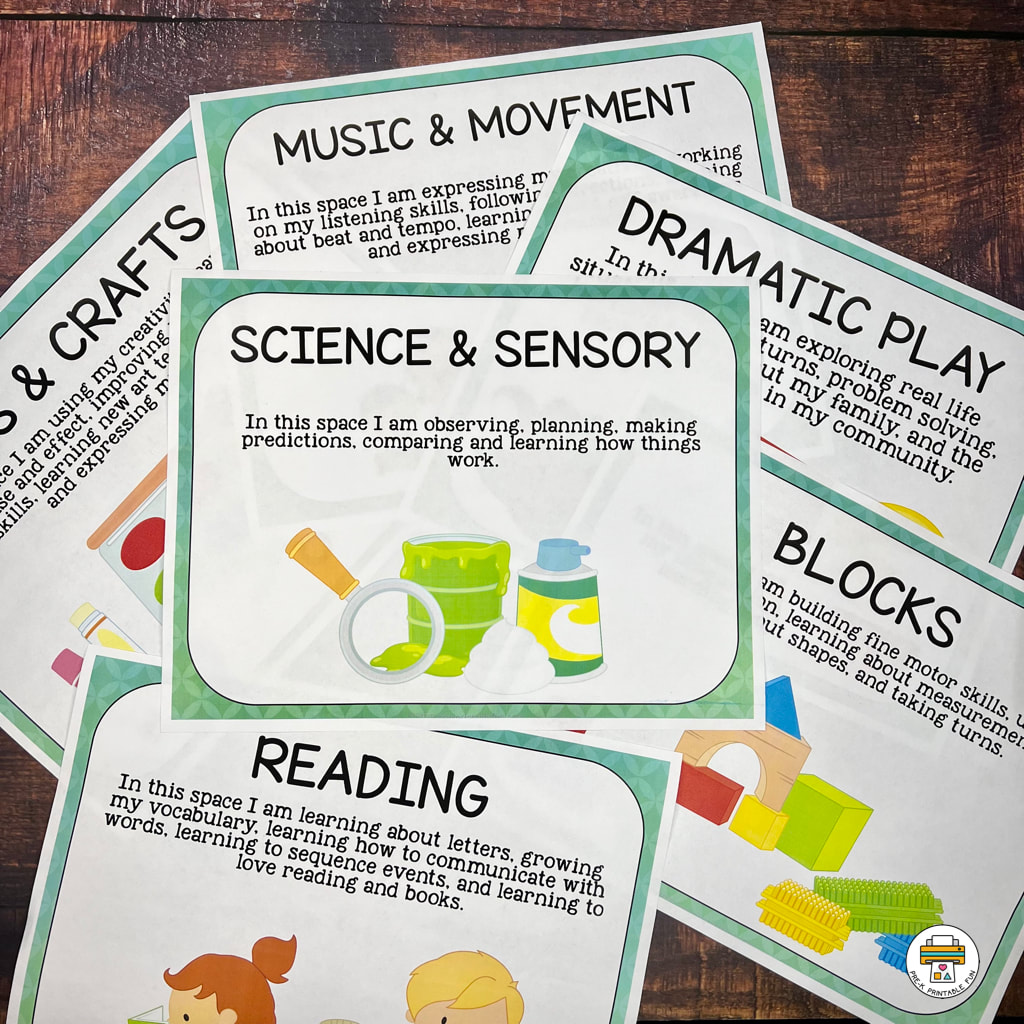
How to Create Your Own Preschool Theme-Based Activity Plan
A preschool theme-based Activity Plan is a flexible menu of ideas for exploring a topic with children. It can help you gather books, materials, and activity possibilities in one place, without deciding exactly what children must do each day.
This post walks through creating your own menu of ideas for a theme. If you would rather start with one of our ready-made Sample Activity Plans, see How to Use Our Sample Preschool Activity Plans to Simplify Your Week.
What Is a Theme-Based Activity Plan?
An Activity Plan collects possible experiences related to a shared theme and organizes them by learning area or center. It is a resource to plan from, not a fully scheduled weekly lesson plan.
For example, a Pond Animals Activity Plan might include story and vocabulary ideas, animal sorting, habitat exploration, dramatic play, movement, and art. You can use one idea for a day, draw from several across a week, or revisit the theme for longer. 1. Choose a Theme and Think About the Children
Start with a topic that connects with children’s experiences, questions, or interests. Consider what they have been talking about or choosing during play. If you are following a curriculum or program plan, look at the learning goals you are working toward, too.
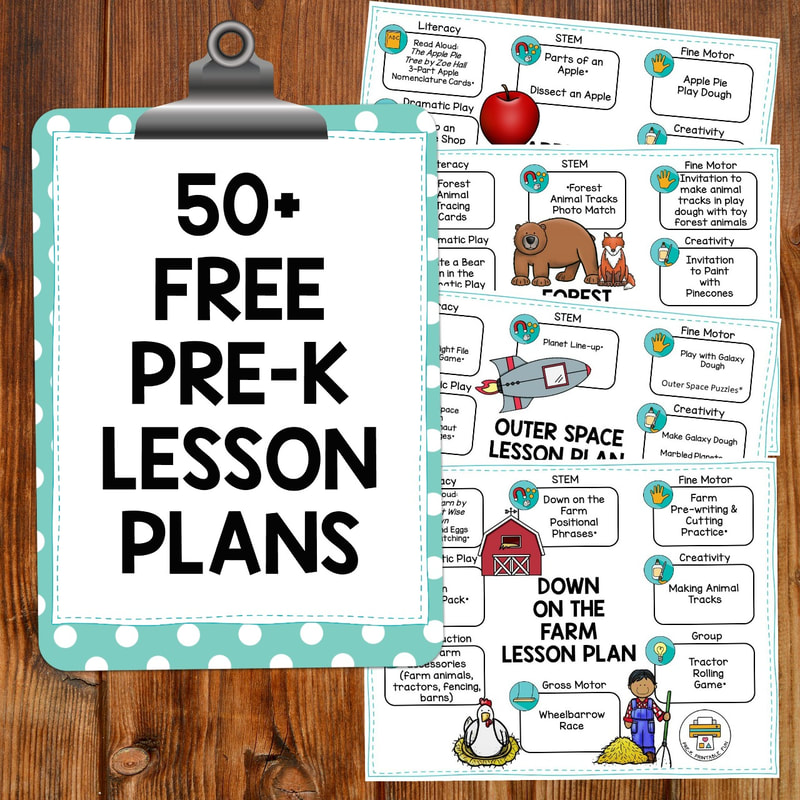
For example, after a walk near a pond, children may ask about frogs, ducks, or what lives in the water. Those questions can help you shape a Pond Animals plan. You do not need to know every activity yet; begin with the topic and what you hope children might explore or practice. If you are still deciding when to explore themes throughout the year, see How to Choose Preschool Themes for the Whole Year. 2. Brainstorm Ideas by Learning Area or Center Want ideas to adapt instead of starting from scratch? Get access to our 50+ Free Preschool Activity Plans including this one!
Make a list of possible activities and invitations for your theme. Organize the ideas in a way that works for your setting, such as by learning center, subject area, or type of activity.
For a Pond Animals theme, your brainstorm might include: Literacy & Language Read a pond story. Talk about frogs, ducks, water, and habitats. Math and Manipulatives Count, sort, or compare toy pond animals. Science and Discovery Look closely at animal figures or photos. Explore what a pond habitat includes. Blocks and Dramatic Play Build a pond or pretend to be pond animals. Physical Development Try frog jumps or move like different pond animals. Art and Creativity Draw a pond scene or make an open-ended collage. These are starting ideas, not instructions children must complete in a certain order. Some activities may fit more than one area, and children may use the materials in ways you did not anticipate. 3. Note Materials and Adaptation Possibilities
As you brainstorm, jot down materials that may be useful. Start with what you already have: blocks, toy animals, counters, books, blue fabric or paper, and art materials can all support pond play.
You can also note ways to simplify or extend an idea. Children might sort animals by type, size, or where they live. A habitat invitation might use toy animals and blocks, or just photos and drawing materials. Keep adaptations open so you can respond to different ages, abilities, languages, interests, and levels of experience. 4. Keep the Activity Plan Open
Your plan does not need to be complete to be useful. It does not need to cover every learning area each day. Leave room to add ideas, repeat an activity, or skip something that does not suit the group. The plan should support your thinking, not dictate what children must do.
What to Do with Your Activity Plan Next
Save your Activity Plan so you can return to it when you are ready to explore the theme. Closer to the date, review the actual week and choose a manageable set of ideas based on the children’s learning goals and interests, the schedule, available materials, and your preparation time. The Activity Plan is your idea menu; it does not need to become a fully scheduled week.
For an example of choosing ideas for a real week and organizing them into daily routines, read How to Turn Your Preschool Theme into a Weekly Plan. That post also includes a free weekly planning template.
An Activity Plan gives you a place to collect possibilities. Later, use it to choose what fits your learners and your week. Keep the ideas flexible, follow the children’s interests, and let the plan support the learning,not limit it.
Get Ideas from Our Free Sample Activity Plans
Would you like examples to spark ideas for your own plan? Sign up for our free Saturday Planning Newsletter to get access to 50+ Free Preschool Activity Plans. Nonmembers can download one free Sample Activity Plan image for each theme. Use the ideas as inspiration, then adapt them to your children, setting, and goals.
Even more for Members!
Club Members can find two Sample Activity Plans, and an Editable Activity Plan Template inside their Complete Theme Planning Guides. Inside each guide they'll also find links, suggested group sizes, extension ideas, and more. All of their guides can be download in the Activity Library. Select "Planning Guide" under the format type filter to quickly access your guides. Select a Theme to narrow your choices down even more.
Want More Support with Preschool Planning?
At Pre-K Printable Fun, we believe educators are the experts in their own programs. Instead of rigid scripts or one-size-fits-all curriculum, we support educators with flexible themed planning tools, hands-on activity ideas, and organized resources that make weekly planning easier.
Inside the Pre-K Printable Fun Membership, educators can access:

0 Comments
Your comment will be posted after it is approved.
Leave a Reply. |
Search Our WebsiteBecome a Member
Get Free
|
 RSS Feed